

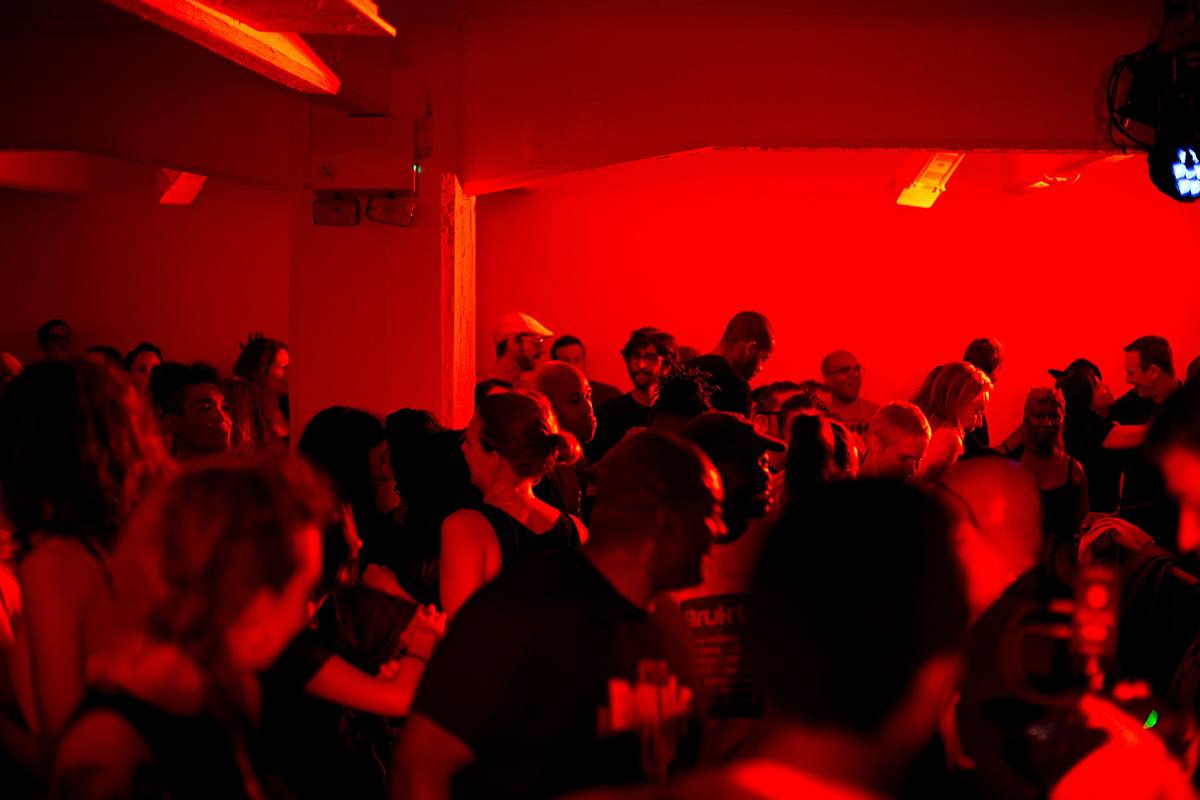
Are 2026 just 2016 in Disguise? On cultural repetition, digital memory, and the return of familiar references.
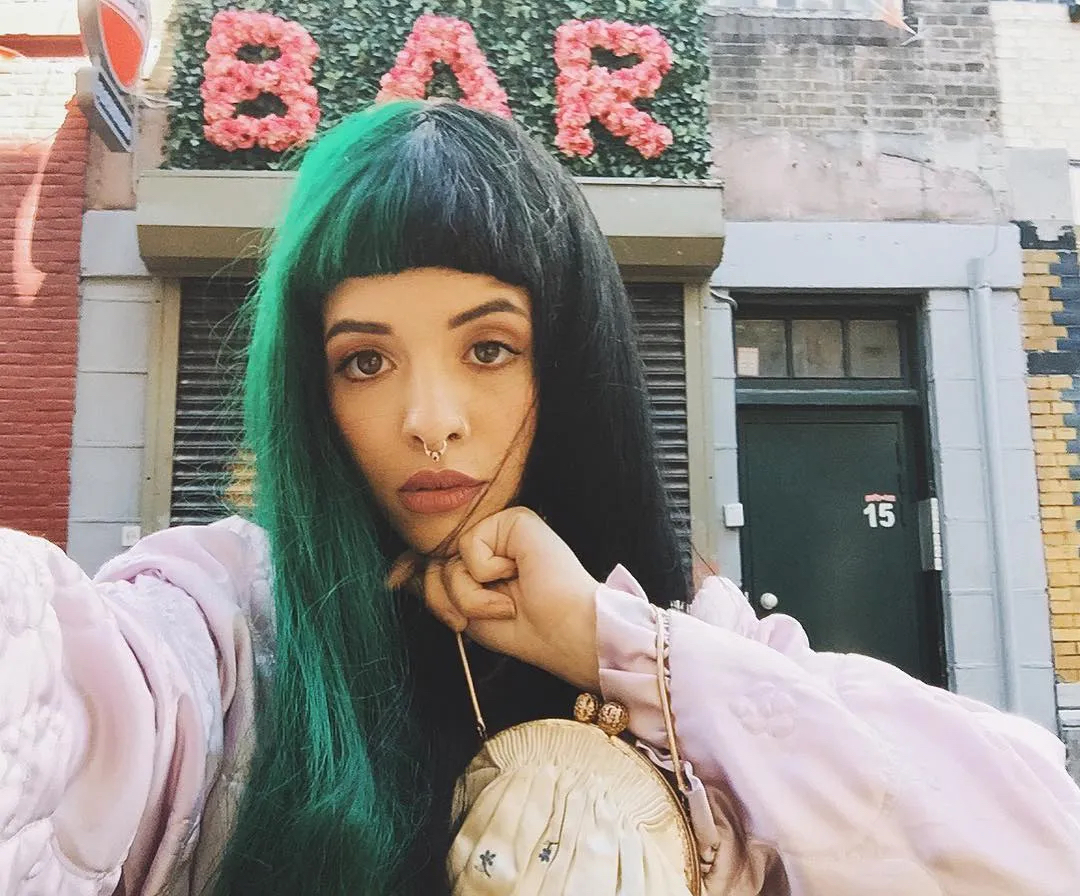
A new year begins but your phone tells a different story. As you scroll, familiar images reappear: Tumblr-era aesthetic filtered through Snapchat’s flower crown, skinny jeans, wired earphones and Drake’s One dance playing on repeat. The sensation is less nostalgic than disorienting, as if time has folded in on itself and landed back where it began. Somewhere between memory and algorithm, 2016 quietly resurfaces.
A decade has passed, yet the return feels unusually direct. What appears online is not simply a reference to the past, but a celebration of it. Across platforms, particularly Tiktok, users describe the era as happier, more social, and emotionally lighter, a moment seemingly worth returning to. In this context, nostalgia is less about history and more about comfort.
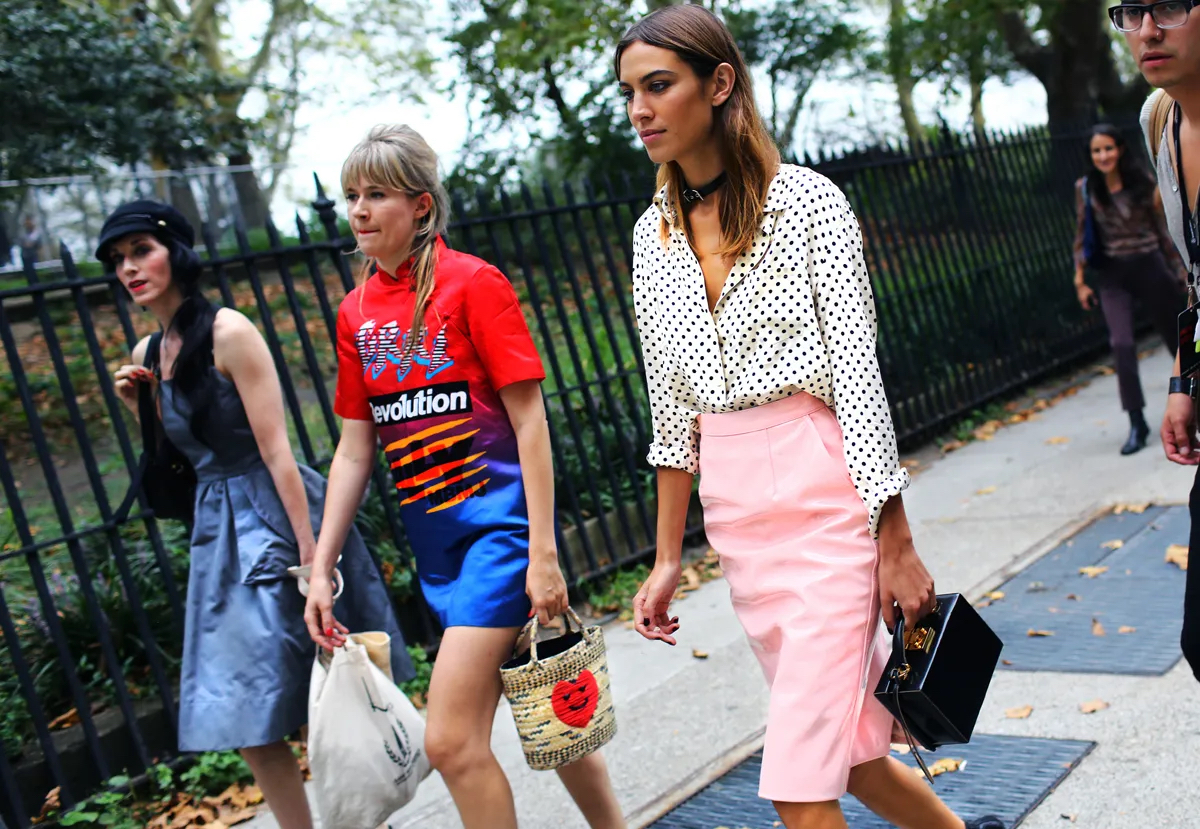
This cycle of repetition has become a defining feature of culture in 2026. Shaped by global uncertainty, the return to familiar references feels less emotionally charged and more reassuring than inventive. The past resurfaces not as a point of reflection, but as something easily re-entered. 2016, in particular, has emerged as a visual and cultural reference point. Its influence can be seen across fashion and pop culture, where silhouettes and styling codes once considered dated have quietly re-entered everyday dress. Items such as o4 the shoulder tops or Dr. Martens shoes, staples of the 2016, now appear again, worn not as irony, but as continuity.
Beyond fashion, 2016 remains culturally resonant because it marked a moment of creative clarity and some of the most unforgettable moments. Barry Jenkin’s Moonlight, which spectacularly beat La La Land at the Oscars. Beyonce wowed the world with her album, Lemonade, cementing her legacy as one of the greatest musicians of all time. These works did more than dominate their moment, they created shared cultural reference points that felt urgent and deeply human.
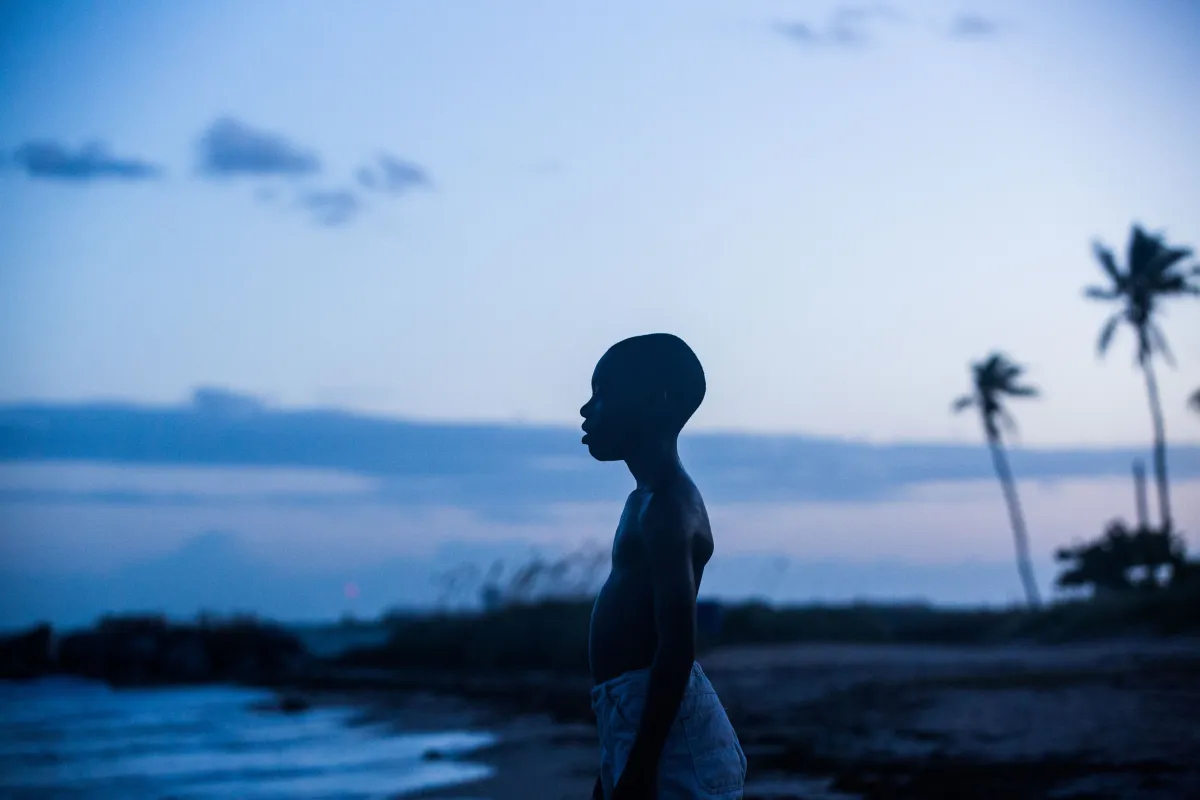
Their continued relevance speaks less to their original historical context than to a present day longing for cultural experiences that feel meaningful rather than fragmented. In an era shaped by algorithms and individualized feeds, the memory of widely shared moments carries a particular weight. What returns is not only the aesthetic of 2016, but the emotional coherence it seemed to over.
While new trends continue to emerge, the persistent return to this era suggests a broader hesitation toward the future. Nostalgia provides reassurance, but it also reveals a culture more comfortable looking backward than forward. If 2016 continues to resurface in disguise, the question is not why we remember it, but why we need it so much now. (Text Betsy Kristianto)